As an Amazon Associate, we earn from qualifying purchases. This post contains Amazon affiliate links. We may earn a commission at no extra cost to you.

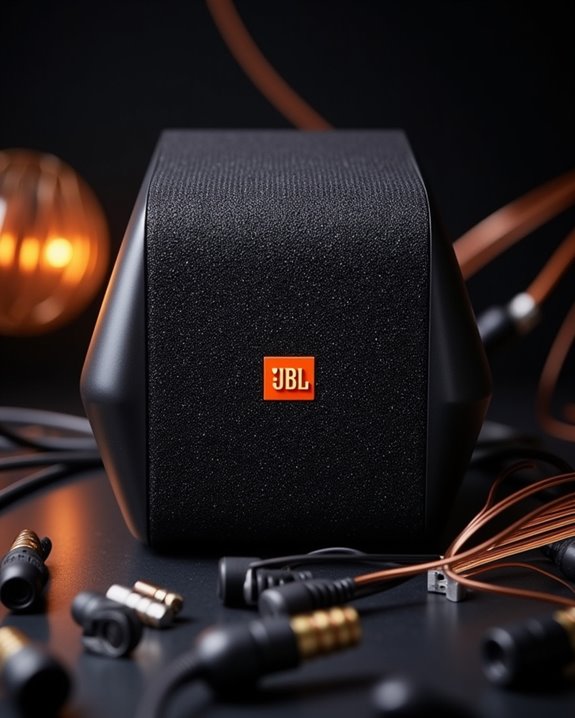
What Does JBL Stand for in Audio?

JBL stands for James Bullough Lansing, the audio engineer who founded the company in 1946. Lansing, initially a radio repair enthusiast, established the brand after developing expertise in loudspeaker design through his work with Lansing Manufacturing and Altec-Lansing. Despite Lansing’s death in 1949, the company thrived under new leadership, evolving from professional audio equipment into a global leader in consumer sound technology. This pioneering legacy continues through JBL‘s technological innovations spanning seven decades.
Key Takeaways
- JBL stands for James B. Lansing, the founder who established the audio company in 1946.
- The company was named using the founder’s initials as its brand identity in the audio industry.
- James B. Lansing was an audio engineer who previously co-founded Lansing Manufacturing Company in 1927.
- After leaving Altec-Lansing where he served as VP of Engineering, Lansing created JBL in Los Angeles.
- Despite Lansing’s death in 1949, the JBL brand continued and evolved into a global audio equipment manufacturer.
The Origin of JBL: James Bullough Lansing’s Legacy
The pioneering audio brand JBL derives its name from the initials of its founder, James Bullough Lansing, an influential figure in loudspeaker technology during the early 20th century. Lansing established his first company, Lansing Manufacturing, in Los Angeles, where he developed innovative loudspeakers for radio and cinema applications. His Artistic Influence extended through collaborations with John Hilliard, resulting in groundbreaking designs like the A-4 Theater System.
After Lansing Manufacturing merged with Altec Service Corporation in 1941, Lansing served as VP of Engineering until 1946, when he founded “Lansing Sound, Inc.” Later renamed “James B. Lansing Sound” due to trademark issues, the company’s Societal Contribution became evident through horn-shaped speakers that revolutionized motion picture sound reproduction, establishing standards that continue to influence audio engineering today.
From Radio Repairman to Audio Pioneer: Lansing’s Early Career
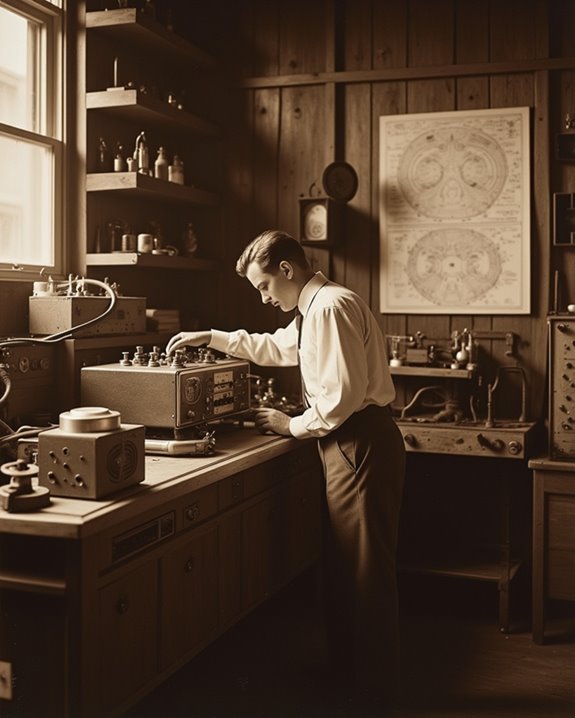
James Lansing’s journey into audio began with his early passion for radio repair, where he honed technical skills that would become foundational to his later innovations. His experience constructing crystal sets and a homemade radio transmitter powerful enough to reach the Great Lakes Naval Station demonstrated his exceptional aptitude for electronics in the 1920s. Before establishing what would become JBL, Lansing switched from automotive mechanics to radio engineering, eventually co-founding Lansing Manufacturing Company with Ken Decker to produce advanced loudspeaker technologies. His contributions also include pioneering sound quality enhancements that set new standards in professional audio.
Radio Repair Beginnings
A humble start in radio repair laid the foundation for what would eventually become one of audio’s most recognized names. James Lansing’s journey began with his mechanical aptitude, which he applied to the emerging field of Early Radios in the 1920s. His experience as an automotive mechanic provided the precision skills needed to work with delicate electronic components, using specialized Repair Tools to troubleshoot and fix radio transmitters.
This practical background led Lansing to shift from mechanic to radio engineer, where he developed expertise in sound reproduction systems. His work repairing and optimizing radio equipment provided vital insights into speaker design limitations, inspiring his later innovations. These formative experiences working on radio technology established the technical understanding that would ultimately revolutionize the audio industry.
1920s Technical Foundations
Technical mastery defined James Lansing’s shift from radio repairman to audio innovator during the 1920s, when he began developing specialized 6- and 8-inch cone loudspeakers for emerging radio applications. His manufacturing operation, though modest, established critical standardization processes with family members assisting in coil winding and cone assembly.
Lansing’s early experimentation with paper compositions yielded superior damping properties, while his voice coil designs demonstrated exceptional thermal stability under sustained operation. These material science advances addressed reliability concerns common in primitive audio equipment. By implementing high-grade adhesives and precise curing techniques, Lansing created transducers capable of withstanding the demands of continuous use.
This foundation period established Lansing’s engineering philosophy: measurable performance improvements over marketing compromises, rugged construction methodologies, and precision-aligned components—principles that would guide his later professional audio breakthroughs.
Pre-JBL Audio Ventures
Before founding the legendary JBL brand, Lansing’s audio engineering journey took shape through significant professional ventures that established his reputation as an industry innovator. His career began as a radio repairman in the 1920s, where he developed expertise in speaker construction before co-founding Lansing Manufacturing Company in 1927 with Ken Decker.
The company quickly evolved from producing small cone speakers to designing breakthrough theater sound systems, including the renowned A-4 system that stood 8 feet tall. Despite technical success with the “Voice of the Theatre” line, Financial Struggles led to the Altec Acquisition in 1941. Lansing continued working under the Altec-Lansing brand until 1946, when he established James B. Lansing Sound, the precursor to JBL, which would continue his audio legacy following his untimely death in 1949.
The Founding of JBL in 1946: A New Audio Era
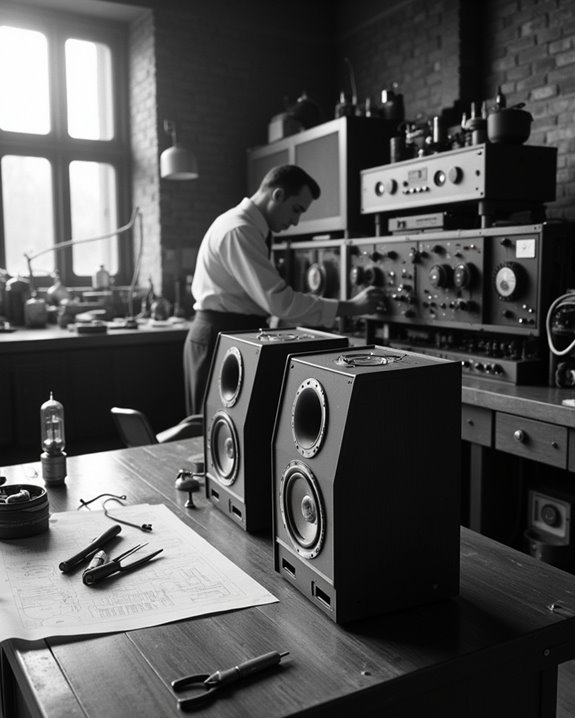
In 1946, James B. Lansing established JBL in Los Angeles, California, marking a significant development in audio engineering during the postwar economy. The company, named after the founder’s initials, quickly distinguished itself with innovative speaker designs that would shape the cultural influence of music for decades to come. To this day, JBL continues to be recognized for its exceptional audio quality and technological advancements that set industry standards. Within a year of its founding, JBL introduced the revolutionary D130 15-inch speaker, featuring a 4-inch flat wire coil-in-cone transducer—the first of its kind. This technical innovation was particularly well-suited for electric guitar amplification, capturing the attention of Leo Fender himself. Despite facing early challenges, including Lansing’s untimely death in 1949, the company persevered under William Thomas’s leadership, who utilized Lansing’s insurance policy to secure JBL’s future in the competitive audio market.
Recommended Products

Higher power vintage guitar tone

100% Celestion tone crammed into an 8" guitar speaker

How JBL Became a Household Name in Sound Equipment
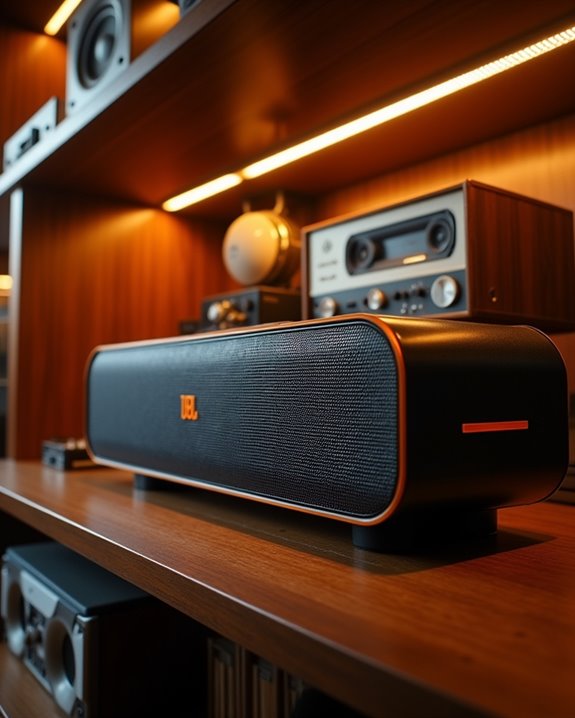
JBL’s transformation from a specialized audio engineering firm to a globally recognized consumer brand unfolded through strategic market expansion and technical innovation across multiple decades. The company’s introduction of the D-1000 System in 1948 marked its first deliberate step into the consumer market, leveraging bass-reflex designs to deliver superior low-frequency response in home environments. Its commitment to sound quality innovation further cemented its reputation, allowing JBL to set industry standards.
Strategic Brand Partnerships catalyzed JBL’s expansion, particularly in automotive audio where OEM relationships with Toyota, Fiat, and Kia established its premium positioning. The Harman merger in 1969, followed by Samsung’s acquisition in 2016, provided infrastructure for global scaling while maintaining R&D autonomy. Consumer Engagement flourished through the cinema speaker standardization with THX, creating audience familiarity with the JBL sound signature that transferred credibility from professional venues to home audio purchases.
Recommended Products

【40Wx4 Bookshelf Speakers and 75w Center Speaker】: The surround sound system features four high-power and full-range speakers, including one 3-inch passive center speakers and two pair of 3-inch passive bookshelf speakers(four speakers are identical), allowing you to experience stunning surround sound from all angles.
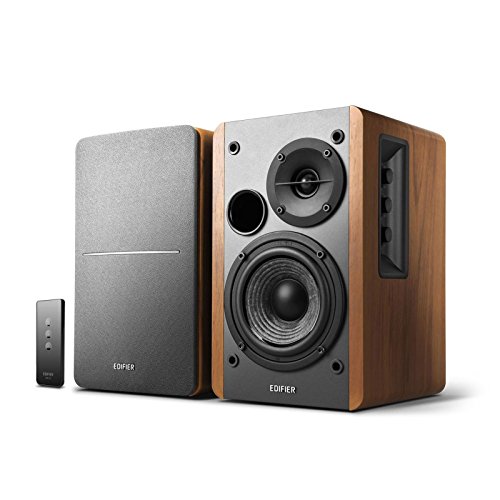
2 x AUX INPUT - Convenient connection to any device that has a 3.5mm headphone output or dual RCA output. Connect to two devices via AUX at the same time, no plugging and switching needed.

Simplified 5.1ch Dolby Atmos Setup: Enjoy immersive 4D sound with real Dolby Atmos and 5.1-channel audio. Five built-in speakers, including two side-firing drivers, create wide surround without rear speakers. Precision DSP ensures <0.5 ms latency for smooth, theater-like sound. Setup takes less than 1 minute.
JBL’s Revolutionary Audio Technologies and Innovations
The engineering prowess behind JBL’s global market expansion rests on a foundation of revolutionary audio technologies developed throughout the company’s history. Since its founding in 1946, JBL has consistently pioneered advancements that transformed the audio industry, including the groundbreaking Differential Drive technology that improves driver control and sound quality.
JBL’s proprietary innovations extend to component materials, where Neodymium Magnets have enhanced speaker efficiency and performance. The company’s technological evolution spans from early Alnico V magnetic designs to sophisticated cooling schemes like VGC. Professional systems such as the Concert Series with Flat-Front Bi-Radial horns and the K2 Series demonstrate JBL’s commitment to distortion-free sound across significant distances. These engineering achievements have solidified JBL’s position as an industry leader for over 75 years.
Recommended Products

Small size; just under 2" diameter, about 7/8" high
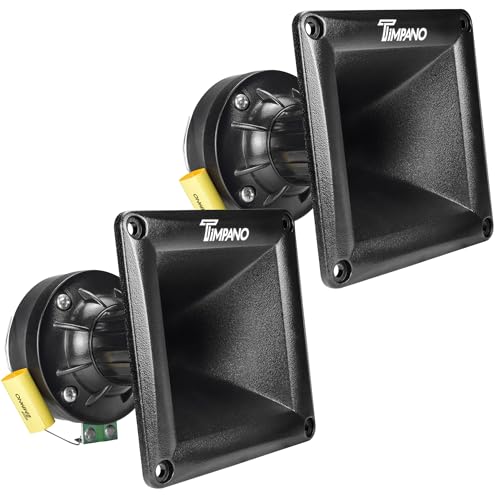
The wide frequency range ranges from 1,300Hz to 19,000Hz, and the high sensitivity of 108 db makes it a very loud and efficient driver.

𝐏𝐎𝐖𝐄𝐑𝐅𝐔𝐋 𝐌𝐈𝐃𝐁𝐀𝐒𝐒 𝐏𝐄𝐑𝐅𝐎𝐑𝐌𝐀𝐍𝐂𝐄: The Sundown Audio LCMR-8 handles 100 Watts RMS, delivering robust midbass and midrange frequencies (120Hz - 6kHz). Designed for powerful and clear sound, it significantly enhances the vocal and instrumental range in your car audio system for an immersive experience.
The Evolution of JBL Products: From Speakers to Headphones
From modest loudspeaker beginnings in 1946 to a diverse audio empire spanning multiple product categories, JBL’s evolution represents one of consumer electronics’ most extensive transformations. The company’s journey began with the D101 15-inch loudspeaker and D175 high-frequency driver, establishing a foundation for future innovations.
JBL’s remarkable Market Adaptation is evident in its progression from professional audio equipment to consumer-focused solutions. The introduction of the Northridge line marked a strategic pivot toward mass-market appeal, while premium offerings like the Everest and K2 series maintained the brand’s audiophile credibility. Device Diversification accelerated in recent decades with JBL expanding into Bluetooth speakers, headphones, and specialized gaming audio through the Quantum line. These initiatives have transformed JBL from a speaker manufacturer into a complete audio solutions provider.
Recommended Products

LONG BATTERY LIFE: With up to 50-hour battery life and quick charging, you’ll have enough power for multi-day road trips and long festival weekends.(USB Type-C Cable included)
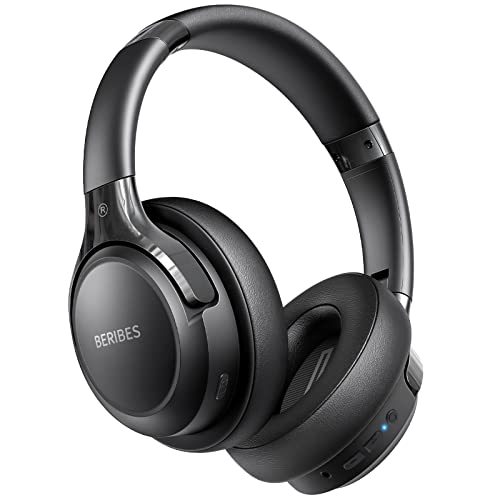
65 Hours Playtime: Low power consumption technology applied, BERIBES bluetooth headphones with built-in 500mAh battery can continually play more than 65 hours, standby more than 950 hours after one fully charge. By included 3.5mm audio cable, the wireless headphones over ear can be easily switched to wired mode when powers off. No power shortage problem anymore.

Note : If the size of the earbud tips does not match the size of your ear canals or the headset is not worn properly in your ears, you may not obtain the correct sound qualities or call performance. Change the earbud tips to ones that fit more snugly in your ear
Corporate Ownership: Harman International and Samsung’s Influence
JBL’s corporate identity underwent significant transformation through strategic acquisitions, first by Harman International in 1969 and later when Samsung Electronics acquired Harman for $8 billion in 2016. This ownership structure has enabled JBL to integrate Samsung’s cutting-edge technology across its product lineup, particularly in wireless connectivity, voice assistant compatibility, and smart home integration. The brand has leveraged Samsung’s global distribution networks and marketing resources to expand its presence in competitive markets worldwide, challenging established audio brands while maintaining its reputation for professional-grade sound quality.
Acquisition Strategy Benefits
Acquisition strategy proved transformative for JBL’s development under corporate ownership, beginning with Sidney Harman’s strategic maneuvering in 1980 to reclaim the brand from Beatrice Companies. This decisive action rescued JBL from potential decline, enabling substantial Cost Reduction through manufacturing synergies while maintaining the brand’s signature sound quality.
Under Harman’s ownership, JBL achieved remarkable Market Diversification, expanding from professional audio roots into consumer electronics, automotive systems, and portable devices. The strategic acquisition facilitated technology sharing across Harman’s portfolio, allowing innovations from professional audio to enhance consumer products. Vertical integration strengthened JBL’s competitive position, with access to Harman’s global distribution network amplifying market reach. This corporate structure provided financial stability for sustained R&D investment, positioning JBL to pioneer significant audio technologies while preserving its professional heritage.
Samsung’s Technology Integration
The landmark acquisition of Harman International by Samsung Electronics in 2017 marked a pivotal evolution in JBL’s technological trajectory, introducing unprecedented opportunities for cross-industry integration. This $8 billion transaction positioned JBL to leverage Samsung’s extensive research capabilities and global supply chain infrastructure, particularly in semiconductor technology and AI development.
Samsung’s influence extends beyond capital investment, facilitating sophisticated device integration between JBL audio products and Samsung’s ecosystem of smart devices. The resulting software synergy enables seamless connectivity protocols, enhanced voice assistant capabilities, and integrated control systems. Technical benefits include improved digital signal processing, battery efficiency optimization, and advanced wireless connectivity standards. This strategic alignment allows JBL to incorporate cutting-edge display technologies and sensor arrays into their premium audio offerings, maintaining their competitive advantage in an increasingly convergent consumer electronics landscape.
Global Marketing Reach
Since Samsung’s acquisition of Harman International in 2017, the global marketing reach of JBL has experienced significant expansion through strategic integration of cross-continental distribution networks and unified brand messaging. The brand’s thorough market penetration strategy leverages Samsung’s technological infrastructure while maintaining JBL’s established audio expertise and heritage.
JBL’s Global Partnerships with entertainment venues, music festivals, and technology companies have strengthened its position in both consumer and professional audio segments across diverse markets. These collaborations facilitate Cultural Adaptation of products and marketing approaches to regional preferences, ensuring relevance in various territories. The company’s localized strategies operate within a cohesive global framework, allowing for consistent brand identity while accommodating market-specific needs. This balanced approach has contributed to milestone achievements such as surpassing 200 million headphone units sold by 2022.
JBL’s Global Impact on Professional and Consumer Audio Markets
From modest beginnings in 1946, JBL has evolved into one of the most influential forces in audio technology, shaping both professional and consumer markets worldwide. The company’s dual-market strategy, established in the 1950s, has enabled it to dominate cinema sound systems, concert reinforcement, and studio monitoring while simultaneously creating consumer audio benchmarks.
Under Harman International’s ownership since 1969 and Samsung Electronics since 2017, JBL has expanded its Environmental Footprint initiatives and Social Responsibility programs while maintaining technical excellence. The company’s professional systems powered iconic events like Woodstock and modern festivals, while its consumer products—from Bluetooth speakers to headphones—have defined portable audio standards. JBL’s technical innovations have earned Academy Awards and Grammys, cementing its status as an audio engineering pioneer whose influence extends across global entertainment industries.
Recommended Products
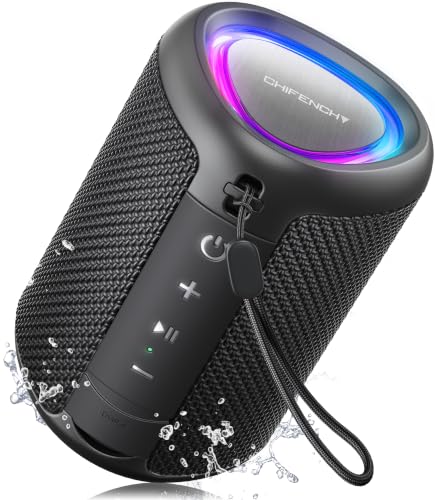
Engineered with premium craftsmanship, this portable speaker features a space-saving form measuring a mere 2.99 inches (7.6 cm) in width and length, and 4.25 inches (10.8 cm) in height. Ultra-lightweight at just 0.582 lbs (264g), it slips effortlessly into any bag. Driven by a robust 20W peak power, it delivers immersive audio with punchy bass and crisp highs, while its 15W continuous output ensures crystal-clear sound for indoor relaxation or outdoor adventures

Smart Induction Playback: No Bluetooth connection required - The induction speaker for iphone uses advanced automatic induction technology. When the phone is placed on the stand, the speaker will automatically sense and play music. When the phone is taken away, the music stops (Only iPhone/Android smartphone)

Engineered with premium craftsmanship, this portable speaker features a space-saving form measuring a mere 2.99 inches (7.6 cm) in width and length, and 4.25 inches (10.8 cm) in height. Ultra-lightweight at just 0.688 lbs (312g), it slips effortlessly into any bag. Driven by a robust 20W peak power, it delivers immersive audio with punchy bass and crisp highs, while its 15W continuous output ensures crystal-clear sound for indoor relaxation or outdoor adventures
Frequently Asked Questions
Did James Lansing’s Death Affect Jbl’s Business Trajectory?
James Lansing’s death paradoxically strengthened JBL through insurance funds that stabilized finances. Bill Thomas’s successor impact proved transformative, preserving the founder influence while implementing business acumen that propelled JBL toward sustained industry leadership.
What Was Jbl’s Original Logo and How Has It Evolved?
JBL’s logo evolution began simple yet distinctive. Its original design featured “JBL” with an exclamation mark, a symbol that endured throughout its design history while typography and colors modernized to connect with each generation of audio enthusiasts.
Which Celebrity Endorsements Have Boosted Jbl’s Popularity?
JBL’s popularity has surged through Celebrity Collaborations with artists like Ariana Grande and Stévie Wonder. Their Famous Ambassadors appear in festivals, social media campaigns, and product launches, helping music enthusiasts connect with the brand.
How Do JBL Speakers Compare to Bose and Sonos?
JBL speakers offer bass-heavy sound quality and impressive battery life for outdoor enthusiasts, while Bose delivers balanced audio with good portability. Sonos excels in room-filling sound and multi-room setups for home audio connoisseurs.
Are JBL Products Manufactured in the United States?
While JBL’s headquarters remain in Los Angeles, their Manufacturing Origins now primarily involve overseas facilities. Domestic Production is limited, with most JBL products being manufactured internationally through Harman International’s global supply chain network.